Green Technology for Houses: The Future of Sustainable Living
As global concerns about climate change and environmental degradation intensify, the need for sustainable living solutions becomes increasingly urgent. One of the most promising avenues for reducing our environmental footprint is through the implementation of green technology in residential housing. Green technology for houses not only reduces energy consumption but also promotes healthier living environments, decreases utility costs, and enhances the overall sustainability of our communities. This article explores the various aspects of green technology in homes, its benefits, and its future potential.
Understanding Green Technology in Residential Housing
Green technology in residential housing encompasses a wide range of innovations and practices aimed at making homes more environmentally friendly. These technologies include energy-efficient appliances, renewable energy sources, sustainable building materials, and advanced water conservation systems. The goal is to create homes that are not only comfortable and functional but also have minimal impact on the environment.
Energy efficiency is a key component of green technology for houses. This includes everything from improved insulation and energy-efficient windows to smart home systems that optimize energy use. Renewable energy sources, such as solar panels and wind turbines, are also increasingly being integrated into residential designs, allowing homeowners to generate their own electricity and reduce reliance on fossil fuels.
Sustainable building materials, such as bamboo, reclaimed wood, and recycled steel, are another important aspect of green technology. These materials are chosen for their low environmental impact, durability, and ability to be recycled or repurposed at the end of their life cycle. Additionally, advanced water conservation systems, such as rainwater harvesting and greywater recycling, help reduce water consumption and promote more sustainable water use.
The Benefits of Green Technology in Homes
The adoption of green technology in residential housing offers numerous benefits for homeowners, the environment, and society as a whole. One of the most significant advantages is the reduction in energy consumption. Energy-efficient appliances and systems can drastically reduce the amount of electricity and gas needed to power a home, leading to lower utility bills and a smaller carbon footprint.
Another key benefit is the positive impact on the environment. By using renewable energy sources and sustainable building materials, green technology helps reduce greenhouse gas emissions, decrease pollution, and conserve natural resources. This, in turn, contributes to the fight against climate change and the preservation of ecosystems for future generations.
Green technology also promotes healthier living environments. Homes built with sustainable materials and equipped with advanced ventilation systems often have better indoor air quality, reducing the risk of respiratory issues and other health problems. Additionally, the use of non-toxic materials in construction can further enhance the health and well-being of residents.
Economic benefits are another important consideration. While the initial cost of implementing green technology in homes may be higher than traditional methods, the long-term savings on energy bills and maintenance costs can outweigh the upfront investment. Moreover, homes with green technology features often have higher resale values, making them a wise financial choice for homeowners.
Innovative Green Technologies for Homes
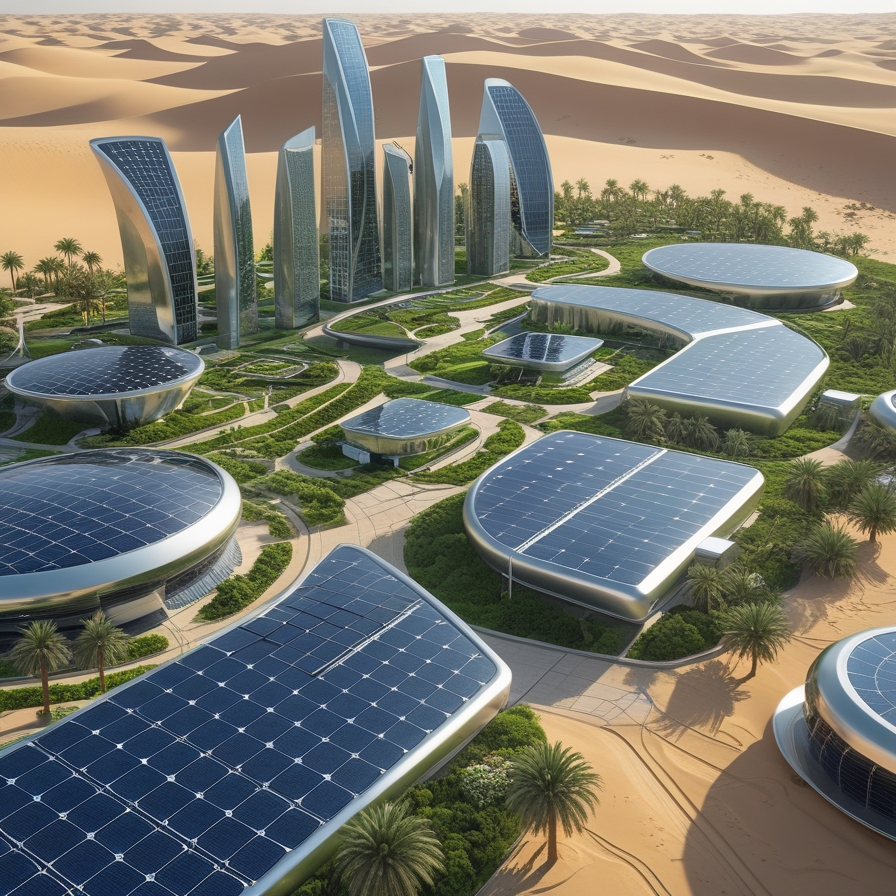
Several innovative green technologies are shaping the future of residential housing. Solar energy systems are perhaps the most well-known and widely adopted form of green technology for houses. Solar panels convert sunlight into electricity, allowing homeowners to generate their own power and reduce their reliance on the grid. Advances in solar technology have made these systems more efficient and affordable, leading to increased adoption in residential settings.
Another promising green technology is geothermal heating and cooling. This system uses the constant temperature of the earth to regulate the temperature inside a home. By circulating water or refrigerant through underground pipes, geothermal systems can provide both heating and cooling with minimal energy consumption. This technology is particularly effective in regions with extreme temperatures, where traditional heating and cooling systems are less efficient.
Smart home systems are also playing a crucial role in the adoption of green technology. These systems allow homeowners to monitor and control various aspects of their home, such as lighting, heating, and cooling, from their smartphones or other devices. By optimizing energy use based on occupancy and time of day, smart home systems can significantly reduce energy consumption and enhance the overall efficiency of a home.
Water conservation technologies are another critical area of innovation. Low-flow fixtures, rainwater harvesting systems, and greywater recycling systems are all designed to reduce water consumption and promote more sustainable water use. These technologies are particularly important in areas with limited water resources or where drought conditions are common.
Challenges and Considerations in Adopting Green Technology
While the benefits of green technology in residential housing are clear, there are also challenges and considerations that homeowners must take into account. One of the primary challenges is the initial cost of implementing these technologies. While many green technologies offer long-term savings, the upfront investment can be significant, particularly for renewable energy systems like solar panels and geothermal heating and cooling.
Another consideration is the availability of green technology options. In some regions, access to certain technologies or materials may be limited, making it more difficult for homeowners to adopt green practices. Additionally, the effectiveness of some green technologies may vary depending on the local climate, geography, and infrastructure.
Maintenance and upkeep are also important factors to consider. While many green technologies are designed to be low-maintenance, some systems may require specialized knowledge or equipment for repairs and upkeep. Homeowners should be prepared to invest in regular maintenance to ensure that their green technologies continue to operate efficiently and effectively.
Finally, there is the question of compatibility with existing homes. For homeowners looking to retrofit their existing homes with green technology, there may be challenges related to integrating new systems with older structures. In some cases, significant renovations may be required to accommodate green technologies, which can add to the overall cost and complexity of the project.
The Future of Green Technology in Residential Housing
The future of green technology in residential housing is bright, with continued advancements and innovations expected to drive further adoption. As technology continues to evolve, green technologies will become more efficient, affordable, and accessible to a wider range of homeowners.
One area of future development is in energy storage systems. As more homes adopt renewable energy sources like solar panels, the need for effective energy storage becomes increasingly important. Advances in battery technology are expected to play a key role in this area, allowing homeowners to store excess energy generated during the day for use at night or during periods of low sunlight.
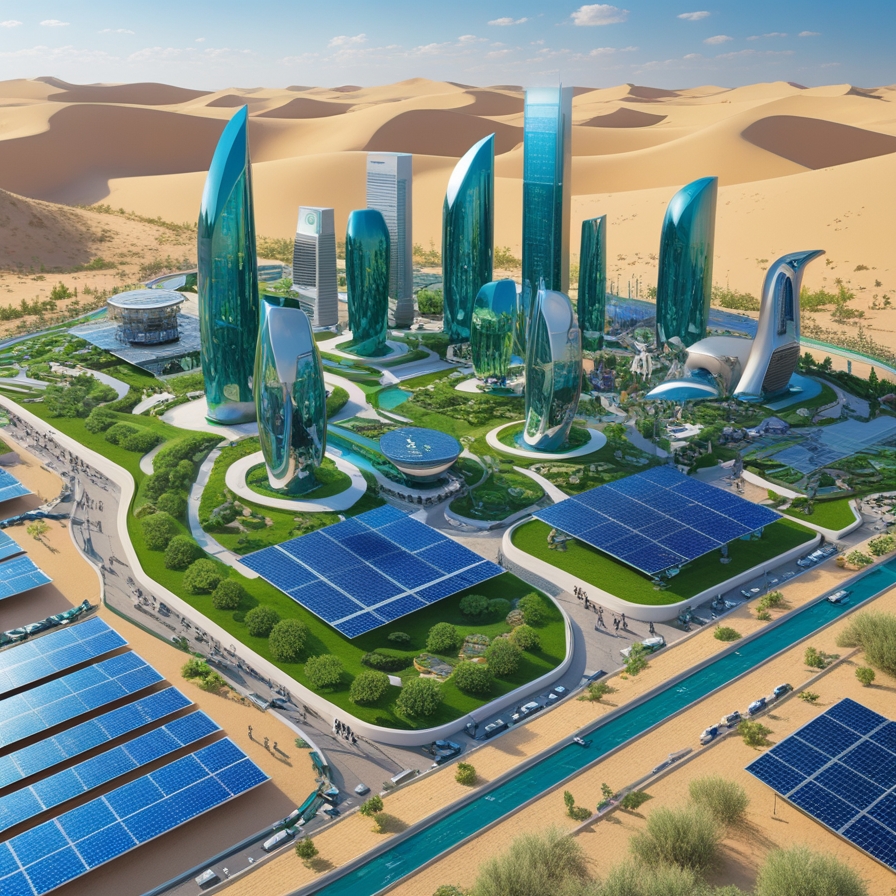
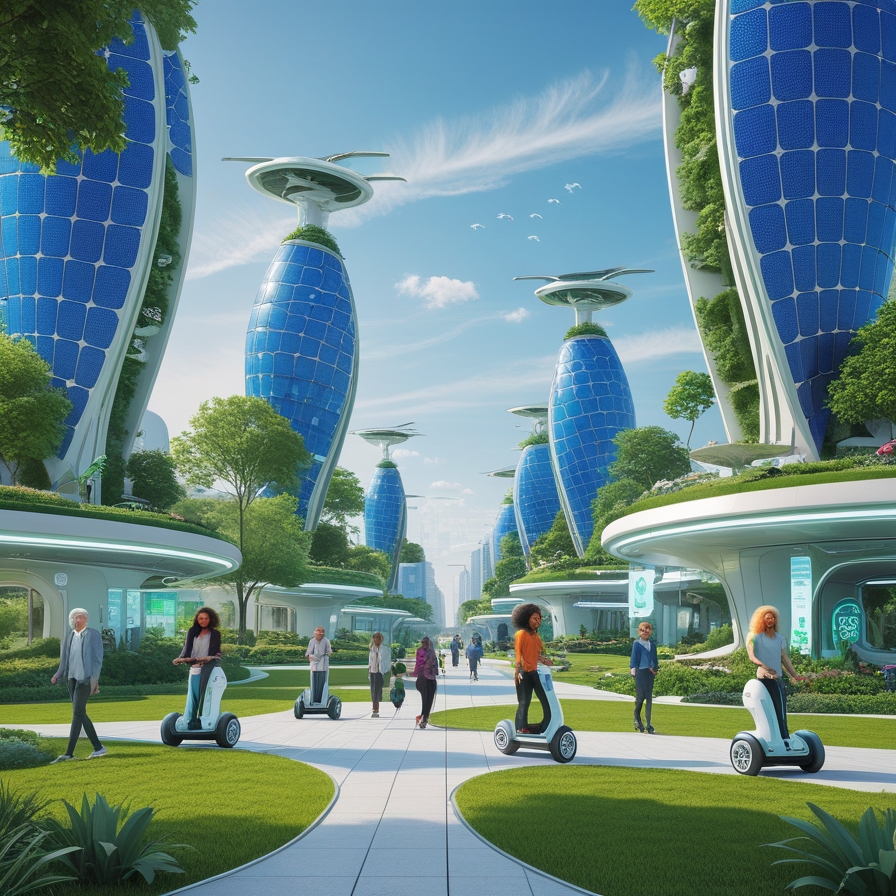
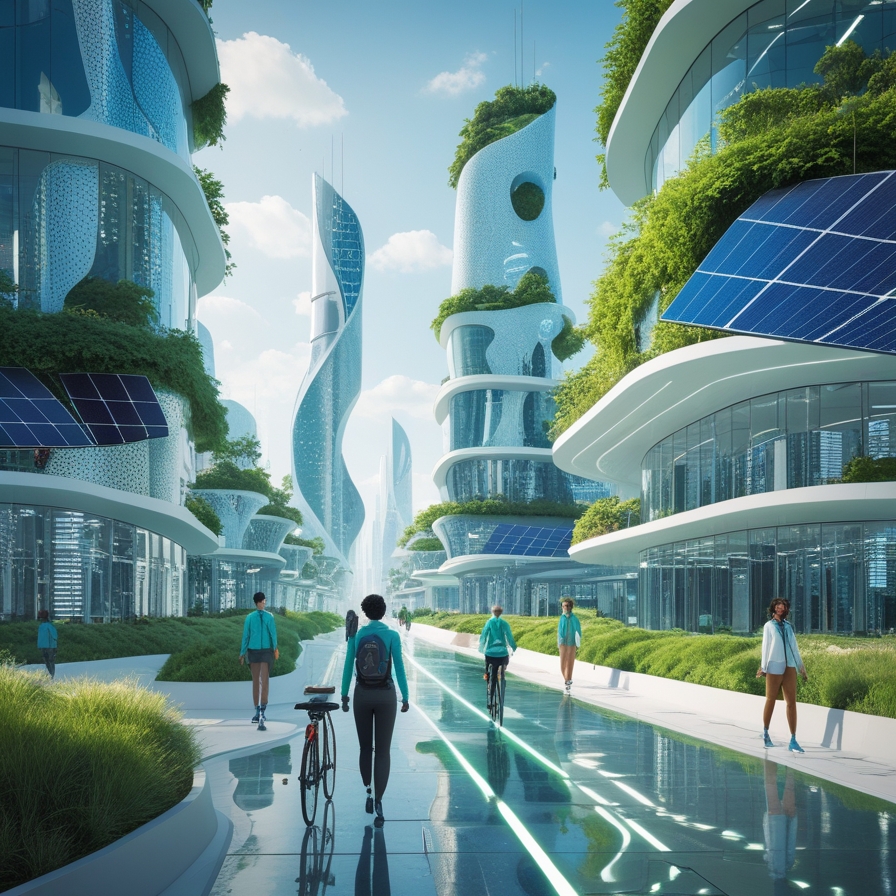
Another promising area is the integration of green technology with sustainable urban planning. As cities and communities look to reduce their environmental impact, green technologies will play a crucial role in creating sustainable living environments. This could include the development of green neighborhoods with shared renewable energy systems, community gardens, and other sustainable features.
The rise of the sharing economy is also expected to impact the adoption of green technology in residential housing. Services like car-sharing, ride-sharing, and home-sharing can reduce the overall environmental footprint of a community by promoting more efficient use of resources. As these services become more popular, they may encourage further adoption of green technologies in homes.
In addition, government policies and incentives will continue to play a significant role in promoting green technology for houses. Many governments around the world are already offering tax credits, rebates, and other incentives to encourage homeowners to adopt green technologies. As concerns about climate change and sustainability grow, it is likely that these policies will become more widespread and impactful.
Conclusion
Green technology for houses represents a crucial step toward a more sustainable and environmentally friendly future. By adopting energy-efficient appliances, renewable energy sources, sustainable building materials, and advanced water conservation systems, homeowners can reduce their environmental footprint, save money, and promote healthier living environments. While there are challenges and considerations to take into account, the long-term benefits of green technology in residential housing make it a wise investment for the future. As technology continues to advance and awareness of environmental issues grows, the adoption of green technology in homes is expected to increase, leading to a more sustainable and resilient future for all.
As global concerns about climate change and environmental degradation intensify, the need for sustainable living solutions becomes increasingly urgent. One of the most promising avenues for reducing our environmental footprint is through the implementation of green technology in residential housing. Green technology for houses not only reduces energy consumption but also promotes healthier living environments, decreases utility costs, and enhances the overall sustainability of our communities. This article explores the various aspects of green technology in homes, its benefits, and its future potential.
Understanding Green Technology in Residential Housing
Green technology in residential housing encompasses a wide range of innovations and practices aimed at making homes more environmentally friendly. These technologies include energy-efficient appliances, renewable energy sources, sustainable building materials, and advanced water conservation systems. The goal is to create homes that are not only comfortable and functional but also have minimal impact on the environment.
Energy efficiency is a key component of green technology for houses. This includes everything from improved insulation and energy-efficient windows to smart home systems that optimize energy use. Renewable energy sources, such as solar panels and wind turbines, are also increasingly being integrated into residential designs, allowing homeowners to generate their own electricity and reduce reliance on fossil fuels.
Sustainable building materials, such as bamboo, reclaimed wood, and recycled steel, are another important aspect of green technology. These materials are chosen for their low environmental impact, durability, and ability to be recycled or repurposed at the end of their life cycle. Additionally, advanced water conservation systems, such as rainwater harvesting and greywater recycling, help reduce water consumption and promote more sustainable water use.
The Benefits of Green Technology in Homes
The adoption of green technology in residential housing offers numerous benefits for homeowners, the environment, and society as a whole. One of the most significant advantages is the reduction in energy consumption. Energy-efficient appliances and systems can drastically reduce the amount of electricity and gas needed to power a home, leading to lower utility bills and a smaller carbon footprint.
Another key benefit is the positive impact on the environment. By using renewable energy sources and sustainable building materials, green technology helps reduce greenhouse gas emissions, decrease pollution, and conserve natural resources. This, in turn, contributes to the fight against climate change and the preservation of ecosystems for future generations.
Green technology also promotes healthier living environments. Homes built with sustainable materials and equipped with advanced ventilation systems often have better indoor air quality, reducing the risk of respiratory issues and other health problems. Additionally, the use of non-toxic materials in construction can further enhance the health and well-being of residents.
Economic benefits are another important consideration. While the initial cost of implementing green technology in homes may be higher than traditional methods, the long-term savings on energy bills and maintenance costs can outweigh the upfront investment. Moreover, homes with green technology features often have higher resale values, making them a wise financial choice for homeowners.
Innovative Green Technologies for Homes
Several innovative green technologies are shaping the future of residential housing. Solar energy systems are perhaps the most well-known and widely adopted form of green technology for houses. Solar panels convert sunlight into electricity, allowing homeowners to generate their own power and reduce their reliance on the grid. Advances in solar technology have made these systems more efficient and affordable, leading to increased adoption in residential settings.
Another promising green technology is geothermal heating and cooling. This system uses the constant temperature of the earth to regulate the temperature inside a home. By circulating water or refrigerant through underground pipes, geothermal systems can provide both heating and cooling with minimal energy consumption. This technology is particularly effective in regions with extreme temperatures, where traditional heating and cooling systems are less efficient.
Smart home systems are also playing a crucial role in the adoption of green technology. These systems allow homeowners to monitor and control various aspects of their home, such as lighting, heating, and cooling, from their smartphones or other devices. By optimizing energy use based on occupancy and time of day, smart home systems can significantly reduce energy consumption and enhance the overall efficiency of a home.
Water conservation technologies are another critical area of innovation. Low-flow fixtures, rainwater harvesting systems, and greywater recycling systems are all designed to reduce water consumption and promote more sustainable water use. These technologies are particularly important in areas with limited water resources or where drought conditions are common.
Challenges and Considerations in Adopting Green Technology
While the benefits of green technology in residential housing are clear, there are also challenges and considerations that homeowners must take into account. One of the primary challenges is the initial cost of implementing these technologies. While many green technologies offer long-term savings, the upfront investment can be significant, particularly for renewable energy systems like solar panels and geothermal heating and cooling.
Another consideration is the availability of green technology options. In some regions, access to certain technologies or materials may be limited, making it more difficult for homeowners to adopt green practices. Additionally, the effectiveness of some green technologies may vary depending on the local climate, geography, and infrastructure.
Maintenance and upkeep are also important factors to consider. While many green technologies are designed to be low-maintenance, some systems may require specialized knowledge or equipment for repairs and upkeep. Homeowners should be prepared to invest in regular maintenance to ensure that their green technologies continue to operate efficiently and effectively.
Finally, there is the question of compatibility with existing homes. For homeowners looking to retrofit their existing homes with green technology, there may be challenges related to integrating new systems with older structures. In some cases, significant renovations may be required to accommodate green technologies, which can add to the overall cost and complexity of the project.
The Future of Green Technology in Residential Housing
The future of green technology in residential housing is bright, with continued advancements and innovations expected to drive further adoption. As technology continues to evolve, green technologies will become more efficient, affordable, and accessible to a wider range of homeowners.
One area of future development is in energy storage systems. As more homes adopt renewable energy sources like solar panels, the need for effective energy storage becomes increasingly important. Advances in battery technology are expected to play a key role in this area, allowing homeowners to store excess energy generated during the day for use at night or during periods of low sunlight.
Another promising area is the integration of green technology with sustainable urban planning. As cities and communities look to reduce their environmental impact, green technologies will play a crucial role in creating sustainable living environments. This could include the development of green neighborhoods with shared renewable energy systems, community gardens, and other sustainable features.
The rise of the sharing economy is also expected to impact the adoption of green technology in residential housing. Services like car-sharing, ride-sharing, and home-sharing can reduce the overall environmental footprint of a community by promoting more efficient use of resources. As these services become more popular, they may encourage further adoption of green technologies in homes.
In addition, government policies and incentives will continue to play a significant role in promoting green technology for houses. Many governments around the world are already offering tax credits, rebates, and other incentives to encourage homeowners to adopt green technologies. As concerns about climate change and sustainability grow, it is likely that these policies will become more widespread and impactful.
Conclusion
Green technology for houses represents a crucial step toward a more sustainable and environmentally friendly future. By adopting energy-efficient appliances, renewable energy sources, sustainable building materials, and advanced water conservation systems, homeowners can reduce their environmental footprint, save money, and promote healthier living environments. While there are challenges and considerations to take into account, the long-term benefits of green technology in residential housing make it a wise investment for the future. As technology continues to advance and awareness of environmental issues grows, the adoption of green technology in homes is expected to increase, leading to a more sustainable and resilient future for all.